

The Moses Firm | April 29, 2026 | Brain Damage
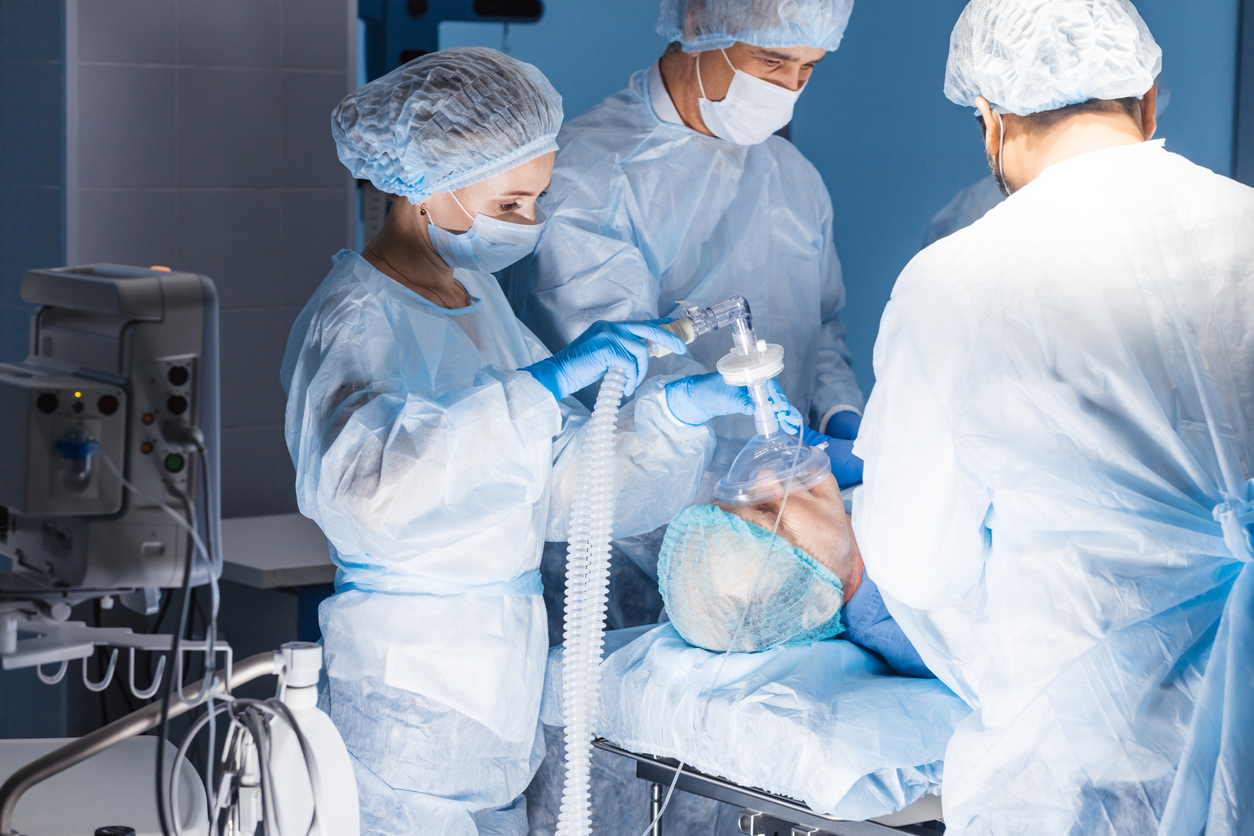
Anesthesia is a cornerstone of modern medicine, allowing patients to undergo complex surgical procedures without pain or awareness. Despite its widespread use and generally strong safety record, many patients worry about its potential effects on the brain.
One of the most common questions is whether anesthesia can cause brain damage. The answer is nuanced: while anesthesia is considered safe, certain risks, particularly involving cognitive function, do exist under specific circumstances.
Understanding Anesthesia and Its Effects on the Brain
Anesthesia works by temporarily altering brain activity to induce unconsciousness, relieve pain, and suppress reflexes during surgery. These effects are carefully controlled by trained anesthesiologists who monitor vital signs and adjust medications throughout a procedure.
For most patients, anesthesia’s effects on the brain are short-lived. After surgery, it is common to experience temporary side effects such as confusion, grogginess, or memory lapses, often referred to as “post-anesthesia brain fog.” These symptoms typically resolve within hours or days.
Temporary Cognitive Effects: Common but Usually Reversible
A well-documented phenomenon associated with anesthesia and surgery is postoperative cognitive dysfunction (POCD). This condition can involve problems with memory, attention, and executive function.
Another related condition is postoperative delirium, which is characterized by sudden confusion, disorientation, and difficulty focusing.
However, it’s important to emphasize that these conditions are usually temporary and influenced by multiple factors, not just anesthesia itself. Surgery-related stress, inflammation, underlying health conditions, and hospital environments can all contribute to cognitive changes.
Does Anesthesia Cause Permanent Brain Damage?
Modern anesthetic drugs are highly refined, and safety protocols have significantly reduced the risk of serious complications.
However, rare cases of brain injury can occur, but they are typically linked to complications such as:
- Oxygen deprivation (hypoxia): If the brain does not receive enough oxygen during surgery, it can lead to injury.
- Stroke or vascular events: Surgical procedures may increase the risk of small or “covert” strokes, particularly in older patients.
- Severe medical complications: Issues like low blood pressure, infection, or cardiac problems can indirectly affect brain health.
In these cases, the damage is not caused by anesthesia alone, but by a combination of medical factors during or after surgery.
Reducing the Risk of Cognitive Complications
Healthcare providers often take several steps to minimize the risk of brain-related side effects from anesthesia, including:
- Conducting thorough preoperative evaluations
- Monitoring brain activity and vital signs during surgery
- Adjusting anesthetic doses carefully
- Managing pain, sleep, and environmental factors after surgery
These strategies are especially important for older adults and high-risk patients, where cognitive complications are more likely.
Signs It’s Time to Seek Medical Attention
While temporary confusion or memory issues after surgery are common, certain symptoms, including the following, may warrant medical attention:
- Severe or worsening confusion
- Memory loss that does not improve over time
- Difficulty speaking, moving, or recognizing people
- Sudden personality changes
These could indicate more serious complications and should be evaluated promptly.
Contact the Atlanta Medical Malpractice Lawyers at The Moses Firm: Medical Malpractice Lawyers for a Free Consultation
Modern anesthesia is generally safe, and permanent brain damage is exceedingly rare. However, temporary cognitive effects, especially in older adults, do occur and can sometimes persist longer than expected.
When serious complications occur, they are often linked to broader medical issues rather than anesthesia alone. Understanding these risks is important, particularly for patients and families navigating surgical decisions.If you or a loved one has experienced unexpected cognitive decline or neurological complications after surgery, it may be worth exploring whether medical negligence played a role.
For more information, contact our law firm at The Moses Firm: Medical Malpractice Lawyers to schedule a free consultation with an Atlanta medical malpractice lawyer in Atlanta, GA, today.
We are proud to serve clients throughout Atlanta, Fulton County, and the surrounding communities in Georgia.
The Moses Firm
3490 Piedmont Rd NE #1206,
Atlanta, GA 30305
(404) 721-1050
Available 24/7